
Smart Manufacturing Trends Predicted in 2026
Arun Menon
Mar 10, 2026
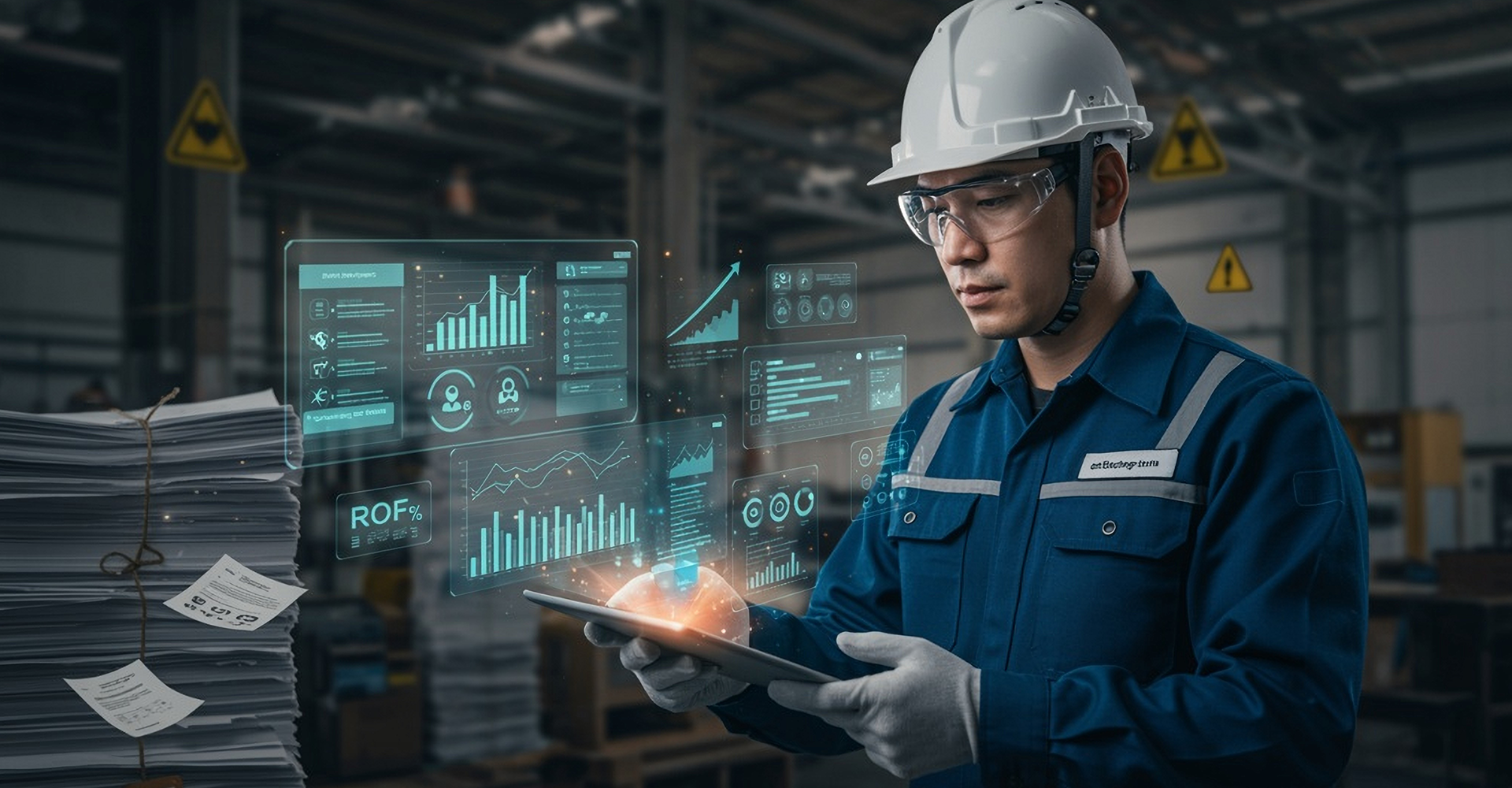
TL;DR: Manufacturing Trends 2026 point to a clear shift toward Smart Manufacturing powered by Cloud ERP and AI-driven data platforms. Together, they enable predictive operations, a unified digital core, resilient supply chains, empowered workforces, and measurable gains in efficiency, cost, and sustainability. For CXOs, the focus is no longer on adoption but on accelerating value, ROI, and evolving into an AI-native manufacturing enterprise.
The manufacturing industry is entering a new era, and with this, the fusion of Smart Manufacturing, Cloud ERP for manufacturing, and enterprise AI platforms like Databricks is fundamentally reshaping how businesses operate, compete, and innovate. This powerful duo is both a technological advancement and a strategic transformation.
Modern manufacturers are combining cloud ERP implementation with scalable data lakes and AI platforms to unify structured ERP data with machine, IoT, and quality signals. This convergence is enabling factories to move beyond automation into intelligence.
That is why smart manufacturing is important today: it connects operations, finance, supply chain, and AI models into a single decision ecosystem.
As manufacturing industry trends accelerate, the question is no longer whether to adopt cloud ERP for manufacturing, but how quickly enterprises can become AI-native organizations that continuously learn, predict, and optimize.
What CXOs Should Expect from Smart Manufacturing Trends and the Role of Cloud ERP
As the manufacturing industry trends continue to evolve, CXOs must stay ahead by embracing technologies that align with future needs. Here's what the integration of cloud ERP for manufacturing will bring:
Shift from Reactive to Predictive, Data-Driven Operations
Manufacturers have long operated in a reactive mode, which means responding to issues only after they arise. But with Smart Manufacturing powered by Cloud ERP and AI, a shift toward predictive, data-driven operations is underway.
- Predictive Maintenance: No more waiting for machines to break down. Smart systems powered by AI in the manufacturing industry can predict maintenance needs before they become problems. This predictive approach cuts downtime by up to 40%, allowing manufacturers to maintain smoother operations.
- AI-Driven Quality Inspection: Computer vision detects micro-defects in real time.
- Dynamic Scheduling: Traditional scheduling methods often struggle to keep up with demand fluctuations. But with a cloud-based ERP implementation, schedules are adjusted in real time, leading to a 40-60% faster response to demand changes.
- Automated Quality Alerts: Instead of finding defects at the end of the production line, businesses can now get real-time alerts for quality issues, reducing rejection rates by up to 90%.
- Energy Optimization: Real-time insights into energy usage can help manufacturers optimize energy consumption. This will lead to 20-30% reductions in energy costs and ensure both cost savings and sustainability.
- Agentic AI in Manufacturing: Autonomous decision agents dynamically adjust production parameters based on live quality or demand signals.
Outcome: The switch from a reactive to a predictive model improves uptime, reduces waste, and makes the most of available resources, leading to significant operational savings and a boost to overall competitiveness.
Measurable Improvements in OEE, Cost, and Throughput
As part of recent trends in manufacturing technology, integrating cloud ERP implementation with real-time analytics platforms such as Databricks or Snowflake, delivers measurable results across key performance indicators.
- Reduced Downtime: With AI-powered ERP systems, manufacturers can anticipate issues before they occur, reducing unexpected downtime by 20-40%. This helps keep operations running smoothly without costly disruptions.
- Lower Operating Costs: By automating routine tasks and optimizing processes, manufacturers can cut operating costs, freeing up resources for investing their time and energy towards growth.
- Increased Throughput: Cloud ERP solutions offer real-time insights, allowing manufacturers to adjust operations on the fly. As a result, they often see improvement in throughput, delivering more products in less time.
- Faster Demand Response: With the agility of cloud ERP, manufacturers can respond to market demand changes faster, ensuring they stay ahead of customer needs and capitalize on new opportunities quickly.
Outcome: These quantifiable improvements are key benchmarks for measuring the ROI of cloud ERP implementation and Smart Manufacturing.
A Unified Digital Core Connecting Business + Factory
Cloud ERP for manufacturing isn’t just an IT system—it serves as the central nervous system of the enterprise, shifting toward becoming AI-native. In the face of top digital transformation trends in manufacturing, manufacturers must expect seamless integration between business operations and production.
- Single Version of Truth: A unified data core ensures consistency across finance, operations, supply chain, and quality, promoting transparency and improving decision-making.
- Seamless IT/OT Integration: Manufacturers will experience smoother integration between IT systems (ERP, MES, IoT) and operational technologies. This creates a connected factory with real-time data from the shop floor to the top floor.
- A lakehouse platform: Platform such as Databricks centralizes operational and transactional data. Embedded machine learning models driving decisions. Agentic AI orchestrating workflows across functions
- Global Standardization: With cloud ERP for manufacturing, processes across global plants are standardized, enabling scalability and operational consistency.
Outcome: This unified system reduces complexity, enables faster decision-making, and supports growth while maintaining operational efficiency.
Faster Innovation Cycles with Lower IT Complexity
As manufacturers adopt cloud ERP, they are no longer bogged down by complex IT infrastructure. Cloud ERP solutions deliver the flexibility and innovation needed to stay ahead of industry trends. 95% of manufacturers report they plan to maintain or increase investment in smart manufacturing.
- Zero Downtime Upgrades: Cloud systems enable continuous upgrades without downtime, ensuring businesses always work with the latest features.
- Access to AI and ML Features: With new AI and machine learning features rolling out every quarter, manufacturers can leverage AI use cases in the manufacturing industry to optimize operations.
- Rapid Integration: Integrating new plants or lines is quick and cost-effective, ensuring that manufacturing growth is not held back by IT complexity.
- Lower IT Overhead: Cloud systems drastically reduce IT infrastructure costs, allowing businesses to reinvest savings into innovation.
Outcome: Manufacturers become more agile, with lower IT costs and access to cutting-edge technology that drives innovation.
Workforce Empowerment and Skills Transformation
The future trends in the manufacturing industry are not just about technology, workforce empowerment is key. Cloud ERP solutions equip workers with digital tools that enhance their capabilities.
- Connected Worker Apps: Employees gain real-time insights into operations, enabling them to make informed decisions and act quickly.
- AI-Assisted Training: Workers can leverage the latest technologies, such as AI, to receive on-the-job training, improving skills and reducing error rates.
- Agentic AI in manufacturing: Environments can now suggest corrective actions rather than just surface data.
- Role-Based Insights: Cloud ERP systems share personalized, role-specific insights. This gives more opportunities to improve efficiency and job satisfaction across all levels of the workforce.
Outcome: A digitally empowered workforce tends to deliver greater productivity and reduced turnover, helping manufacturers retain top talent in a competitive environment.
Supply Chain Resilience and Full Traceability with AI
Manufacturers are increasingly focusing on building resilient, transparent, and agile supply chains. Smart Manufacturing combined with cloud ERP is a vital enabler in this effort.
- Real-Time Supply-Demand Balancing: Cloud ERP for manufacturing provides real-time visibility into supply and demand, optimizing inventory and preventing stockouts or overstocking.
- Disruption Detection with AI: AI can help manufacturers detect potential supply chain disruptions early. This will allow for proactive management.
- Full Traceability: With end-to-end traceability, companies can track every step of the manufacturing process—from raw material sourcing to final product delivery, ensuring compliance and transparency.
- Improved Compliance: Cloud ERP systems streamline compliance with industry standards, making audits and certifications more efficient.
Outcome: Manufacturers achieve more resilient, transparent supply chains, improving both operational efficiency and customer satisfaction.
Sustainability and Energy Efficiency as Value Levers
Sustainability is now a key driver of profitability, and no one will deny this. Cloud ERP systems help manufacturers enhance their sustainability efforts while driving operational efficiency.
- Energy Optimization: Real-time data enables manufacturers to optimize energy usage, thereby cutting costs and reducing their carbon footprint.
- AI-Driven Waste Reduction: AI algorithms can become the key drivers in identifying opportunities to reduce waste in the production process, improving sustainability and cost efficiency.
- Carbon Footprint Tracking: Cloud ERP can be a part of tracking and reporting carbon emissions, ensuring manufacturers meet their ESG goals and enhance their sustainability profile.
Outcome: Manufacturers not only reduce costs but also improve their market position by demonstrating their commitment to sustainability.
A Gradual Move Toward Autonomous Operations
As AI in manufacturing continues to grow, companies are moving toward autonomous operations. This transition will significantly increase efficiency while reducing human error.
- Automated Production Adjustments: AI enables production systems to automatically adjust based on real-time quality data, reducing manual intervention.
- Autonomous Intralogistics: Automated Guided Vehicles (AGVs) and Autonomous Mobile Robots (AMRs) handle material transport, streamlining operations and reducing costs.
- Self-Optimizing Systems: Cloud ERP systems, when integrated with smart technologies, enable factories to self-optimize, continuously improving efficiency.
Outcome: Fewer human errors, more consistent production processes, and an overall increase in operational efficiency.
What CXOs Should Demand from Smart Manufacturing + Cloud ERP Investments
CXOs should demand clear, measurable ROI from their cloud ERP implementation. Key factors to consider:
- Clear ROI Model: Expect results within 12-24 months, including reductions in downtime, operating costs, and improved throughput.
- Standardized KPIs: Establish KPIs across all plants to track consistent improvements.
- A strong data foundation before AI scaling: Clean, connected, and governed data must come first before scaling intelligent automation.
- Integration between cloud ERP for manufacturing and AI platforms: Cloud ERP should not operate in isolation. When seamlessly integrated with AI platforms, it turns transactional data into real-time, decision-ready intelligence.
- Cybersecurity: Ensure robust cybersecurity protocols are in place to protect valuable data.
- Seamless Integration: Ensure cloud ERP systems integrate smoothly with existing technologies, such as MES and IoT, to create a connected ecosystem.
- Roadmap Alignment: Align technology roadmaps with broader business goals to ensure long-term success.
How Jade Global Can Help Manufacturers
At Jade Global, we specialize in helping manufacturers to move beyond basic cloud ERP implementation toward AI-enabled operational transformation. We combine cloud ERP for manufacturing modernization with data platform integration, advanced analytics engineering, and targeted AI use cases in manufacturing industry environments. Our expertise in AI use cases in manufacturing and digital transformation ensures that your company can adopt Smart Manufacturing solutions that deliver measurable results. Whether it's improving operational efficiency, empowering your workforce, or enhancing supply chain resilience, we have the tools and experience to help you thrive.
Ready to embrace the future of manufacturing? Contact Jade Global today to explore how our cloud ERP implementation solutions can help you optimize operations, enhance sustainability, and drive long-term growth.
Subscribe to our Technology Insights





About the Author